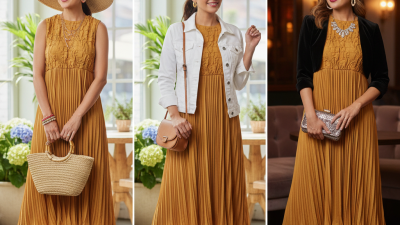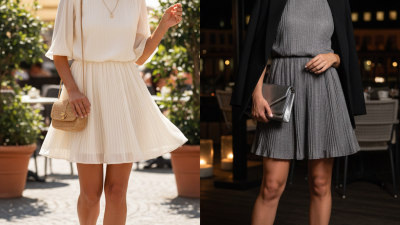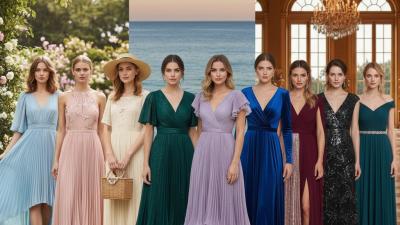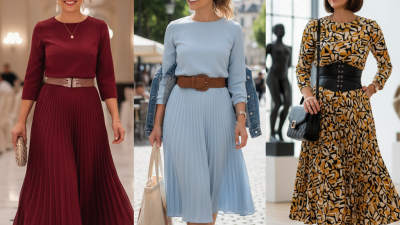
Choosing a Pleated Strapless Dress manufacturer requires more than comparing catalog photos. The pleats must fall evenly, the bodice must stay secure, and the lining should feel comfortable against the skin. Small details matter. A sample can reveal loose threads, uneven gathers, or a zipper that catches after repeated use.
This guide introduces ten China-based manufacturers for buyers exploring custom production or ready-to-order styles. It offers a starting point, not a guaranteed ranking or endorsement. Supplier capabilities, minimum order quantities, lead times, and quality standards can change, so confirm each detail directly before placing an order. Ask for recent product photos, fabric composition, size specifications, and a physical sample where possible. Also discuss how the factory checks pleat consistency and bodice fit across different sizes.
Good communication counts. Share a clear tech pack, including measurements, construction notes, and reference images. Then review the sample carefully under natural light and while moving, not only on a hanger. Even experienced buyers can miss a fit issue at first. That is worth admitting. Use the manufacturers profiled here to compare strengths, ask focused questions, and identify a partner whose production process matches your needs. A polished dress begins with careful decisions—and a few honest checks along the way.
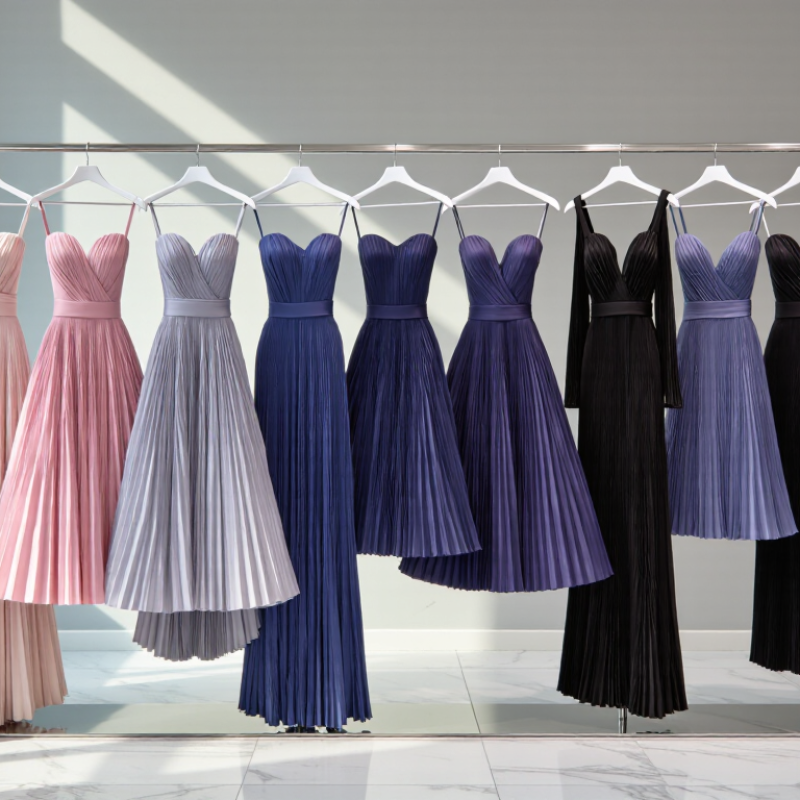
A pleated strapless dress manufacturer does more than stitch a bodice and add folds. The team must understand how pleat depth, fabric weight, and bodice support work together. A soft chiffon pleat behaves differently from a crisp satin one. Small changes can affect the dress’s shape and comfort.
Look for clear development steps. A capable manufacturer can explain how it creates patterns, secures pleats, and checks fit across sizes. Ask to review a sample under movement, not only on a hanger. Does the neckline stay level? Do the folds fall evenly after sitting? These details matter. So does repeatability. One attractive sample is not proof of consistent production.
Reliable partners document fabric choices, measurements, and sample revisions. They should flag risks, such as a heavy skirt pulling down the strapless bodice, rather than simply promise a perfect result. Ask how finished garments are inspected and how defects are recorded. A tidy checklist helps, but it cannot replace careful judgment. Even experienced teams miss things sometimes. Their response matters. A manufacturer’s real value shows in its process, honest communication, and willingness to correct a weak fit before bulk production.
China’s pleated strapless dress manufacturing landscape spans small sample rooms and larger cut-and-sew facilities. Many suppliers can develop patterns, source lightweight fabrics, and produce custom sizes. The work is more technical than it looks. Pleats must remain even across the bodice, while the strapless neckline needs enough support to stay secure without feeling rigid.
Fabric choice shapes the result. Chiffon creates soft movement, while heavier satin can hold sharper folds but may feel warm. Buyers should ask how pleats are set, whether lining is included, and how the garment performs after sitting and moving. A sample check can reveal uneven folds, slipping edges, or a waist seam that pulls. Small details matter.
Factories differ in their sampling speed, minimum order quantities, and ability to repeat a design consistently. Request measurements, construction photos, and a clear sample approval process before confirming production. Check stitching around the inner bodice, not just the visible front. A polished sample is useful, but it does not guarantee every production piece will match. That gap deserves attention. Pleated fabric can also behave differently between batches, so buyers may need to allow time for another fitting or adjustment.
Evaluating a pleated strapless dress manufacturer starts with the sample, but it should not end there. Check whether pleats stay even across the bodice and skirt, especially near seams and closures. Ask for fabric composition and recovery details. A quick wear test can reveal slipping, pressure points, or a neckline that loses shape. Small details matter.
Review construction from the inside. Look at lining attachment, seam allowances, boning or support placement, and any grip elastic along the neckline. Ask the factory to measure samples before and after pressing or packing. Pleats may look crisp on a hanger, then soften in transit. One caution: a beautiful sample can hide an uneven bulk process.
Production capacity needs specific evidence, not just a large monthly figure. Ask how many units the factory can make for this style, what other orders share the line, and how it handles peak-season changes. Request a production schedule with fabric sourcing, cutting, sewing, inspection, and packing stages. Compare a pre-production sample with finished pieces from a completed order, if available. Check how defects are recorded and corrected. A vague answer is a concern. Capacity estimates can also change, so confirm them before approving dates.
These ten profiles reflect different Chinese manufacturing strengths, not a verified ranking.
Profile 1 focuses on fine accordion pleats for lightweight chiffon.
Profile 2 handles structured bodices with hidden internal support.
Profile 3 offers small-batch sampling and custom measurements.
Profile 4 specializes in stretch fabrics and close-fitting silhouettes.
Profile 5 produces occasionwear with carefully finished hems.
Profile 6 is suited to larger runs and repeat orders.
Profile 7 works with recycled or lower-impact fabric options, subject to supplier documentation.
Profile 8 develops layered pleats and mixed-texture designs.
Profile 9 may support private-label development and detailed tech packs.
Profile 10 focuses on export packing and consistent size sets.
These are capability profiles, not confirmed company records. A polished sample is useful, but it cannot guarantee every production batch will match. That needs checking.
Tips:
Ask for a pre-production sample, fabric composition, pleat recovery test, and measurement chart. Request close-up photos of the waist seam and inner bodice.
Confirm sample fees, minimum order quantities, and lead times in writing. Small details matter.
I would still compare the finished sample with bulk inspection results.
Choosing among China’s pleated strapless dress manufacturers starts with a clear product brief. Specify fabric weight, lining, boning, neckline height, and pleat direction. Ask how the factory stabilizes the top edge during wear. Small details matter. Request photos of comparable construction, not just polished catalog images. Ask who handles patternmaking, cutting, sewing, and final inspection.
Sampling should test movement as well as appearance. Try the first sample while seated, reaching forward, and raising both arms. Check whether the bodice slips, pleats open unevenly, or seams pull. Record each change with marked photos and written measurements. Confirm the fabric lot and trim before approving a fit sample. A sample may look perfect yet reveal little about bulk consistency. This is easy to miss. Request a pre-production sample using production materials.
Before placing an order, verify capacity with specific questions. Ask for realistic lead times, monthly output, and the inspection steps used for finished garments. Review a recent measurement report and defect record, with sensitive details removed. Agree on tolerances for finished measurements, shade variation, and stitching. Keep communication in one written channel. If answers stay vague, pause. Not every promising conversation becomes a dependable partnership.