



The Great Functions and Various Expression Methods of Pleats—Aesthetic Improvement
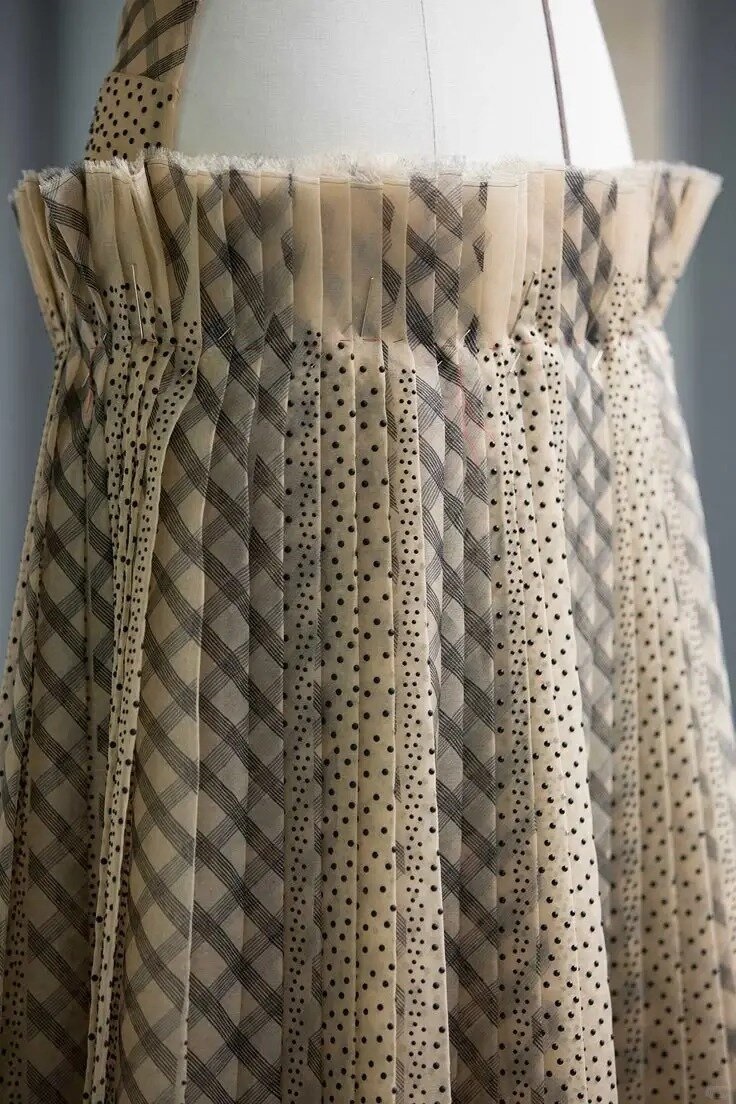
II. Classification of Pleats
1. Classification by Styling Method
Knife Pleats
Folds in the same direction, neat and concise, often used in skirts, school uniforms, etc.
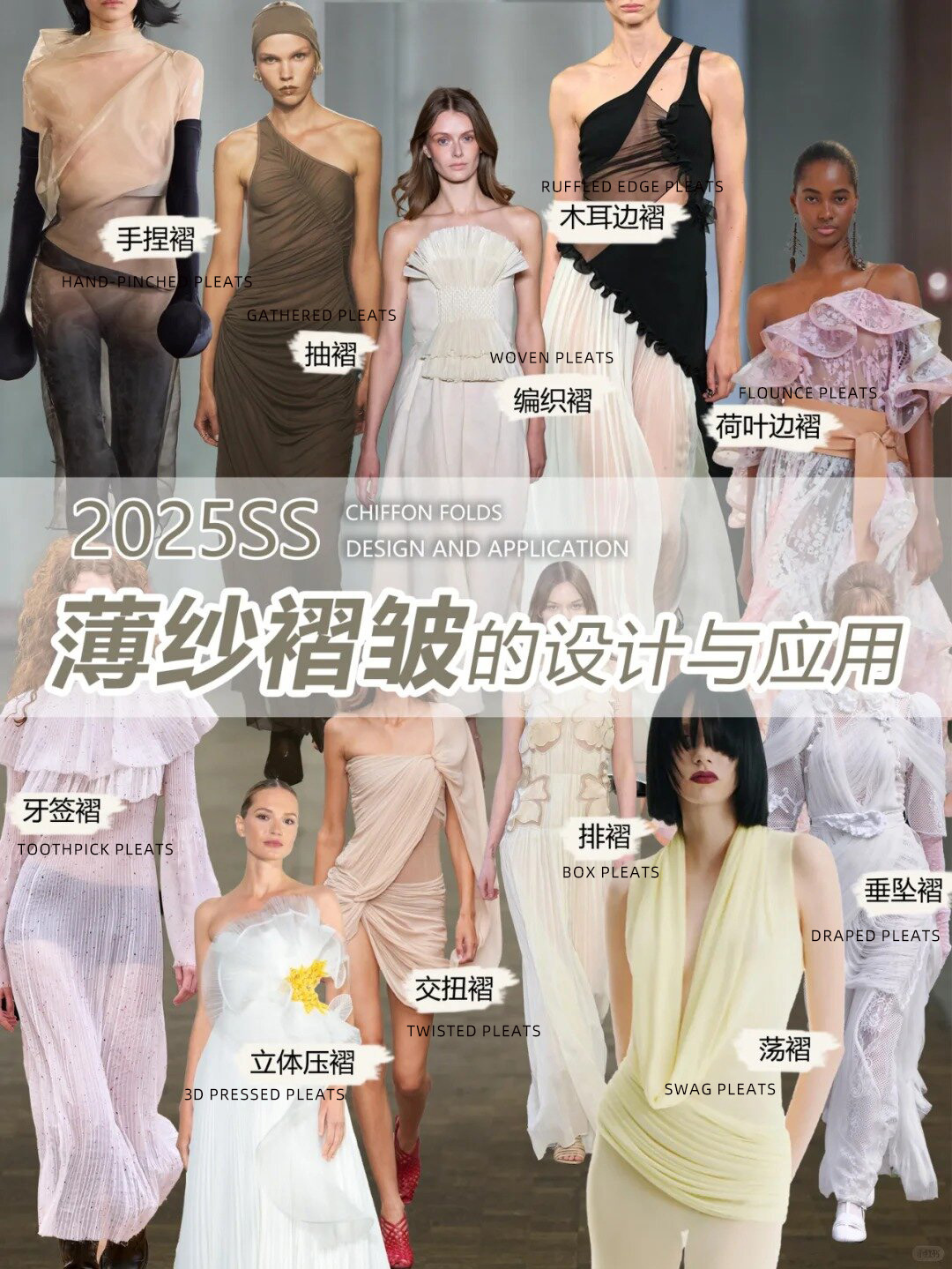
Box Pleats
Two pieces of fabric folded inward or outward to form a symmetrical structure, increasing fullness. #FashionDesign #GarmentTechnology #Creativity #Pleats #FashionTrends #FashionTrends #RunwaySpotlight #Outfits
Inverted Pleats
Opposite to the structure of box pleats, folding from the outside to the middle, often used in trousers or the back of coats.
Accordion Pleats
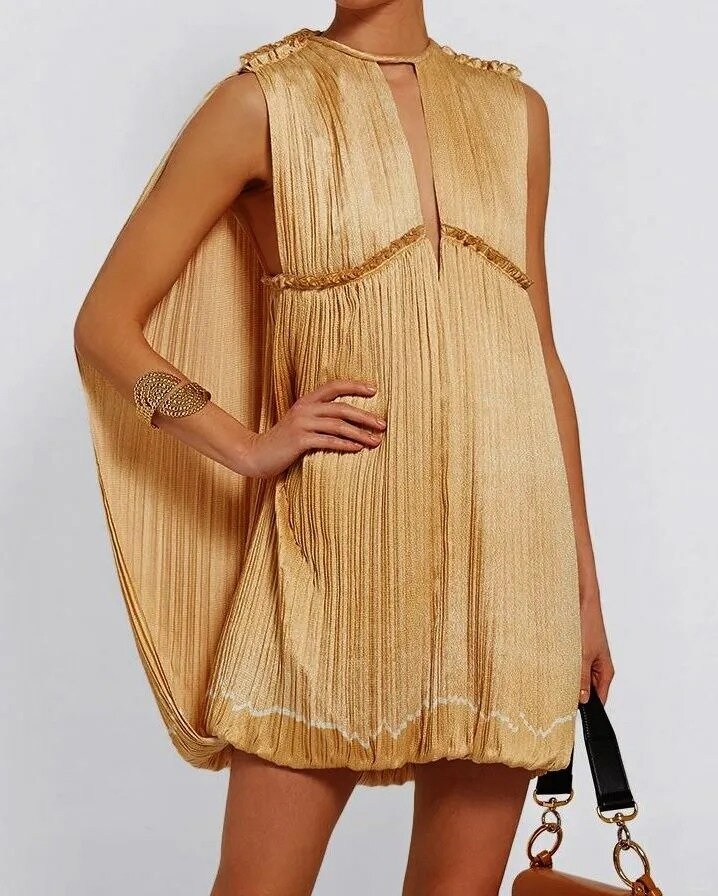
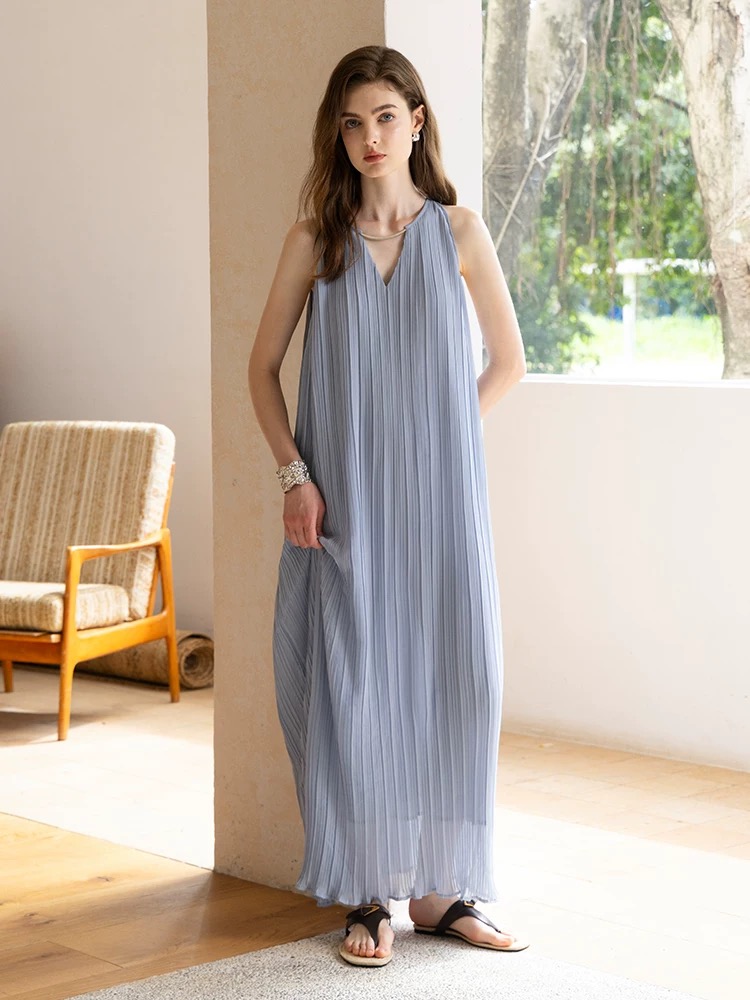
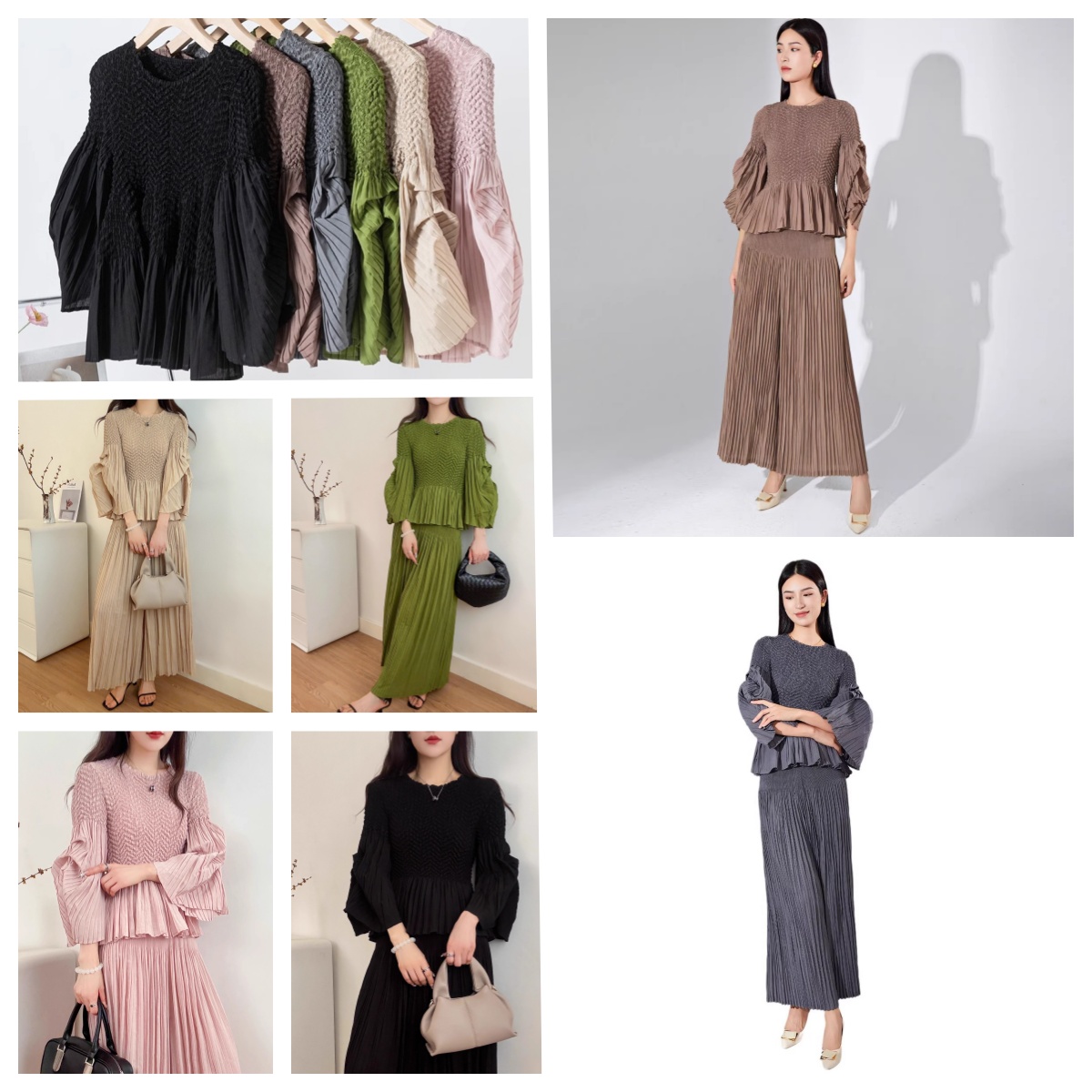
Uniform and dense regular pleats, usually heat-set, with good elasticity and decorativeness.
Sunburst Pleats
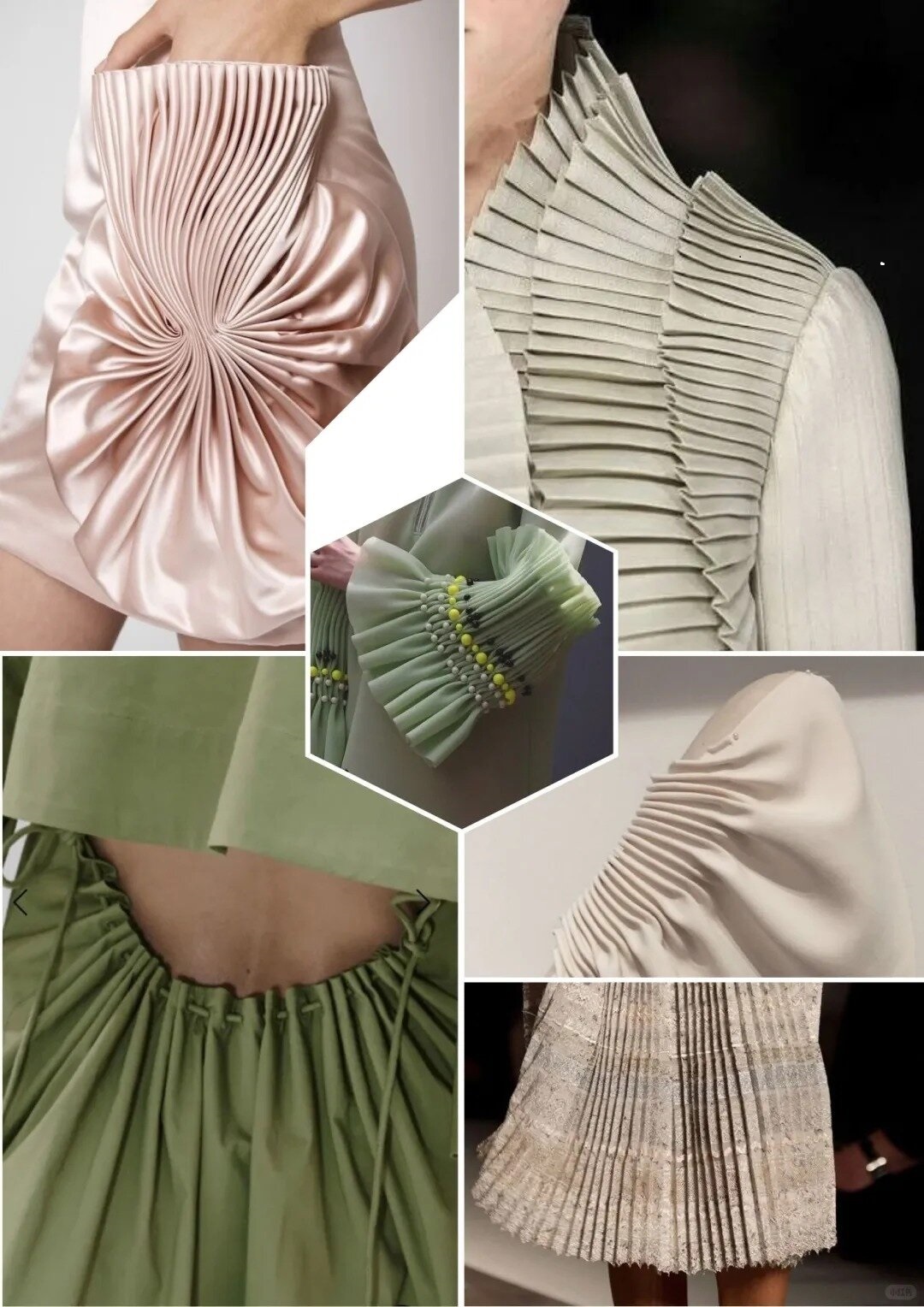
Radiating outward from a single point, often used in skirt hems, with a strong sense of dynamism.
Irregular/Random Pleats
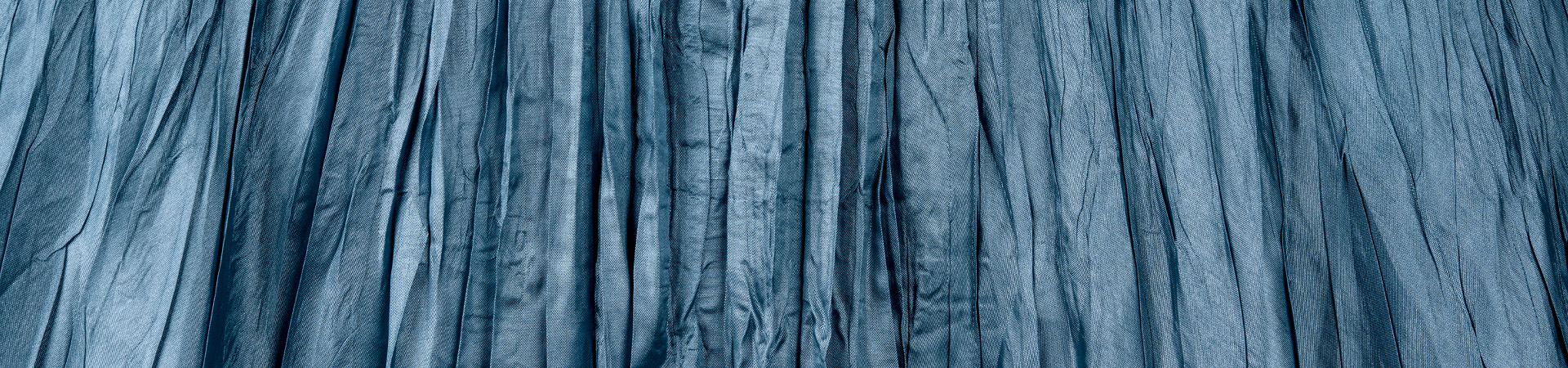
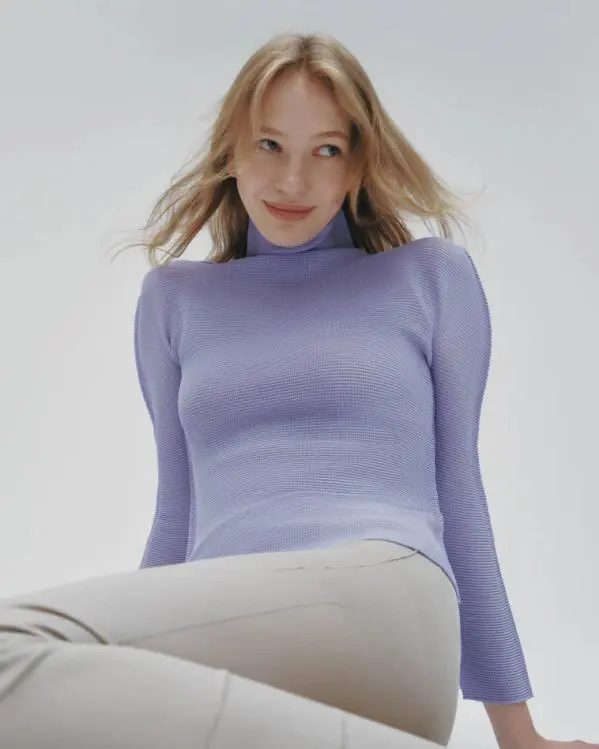
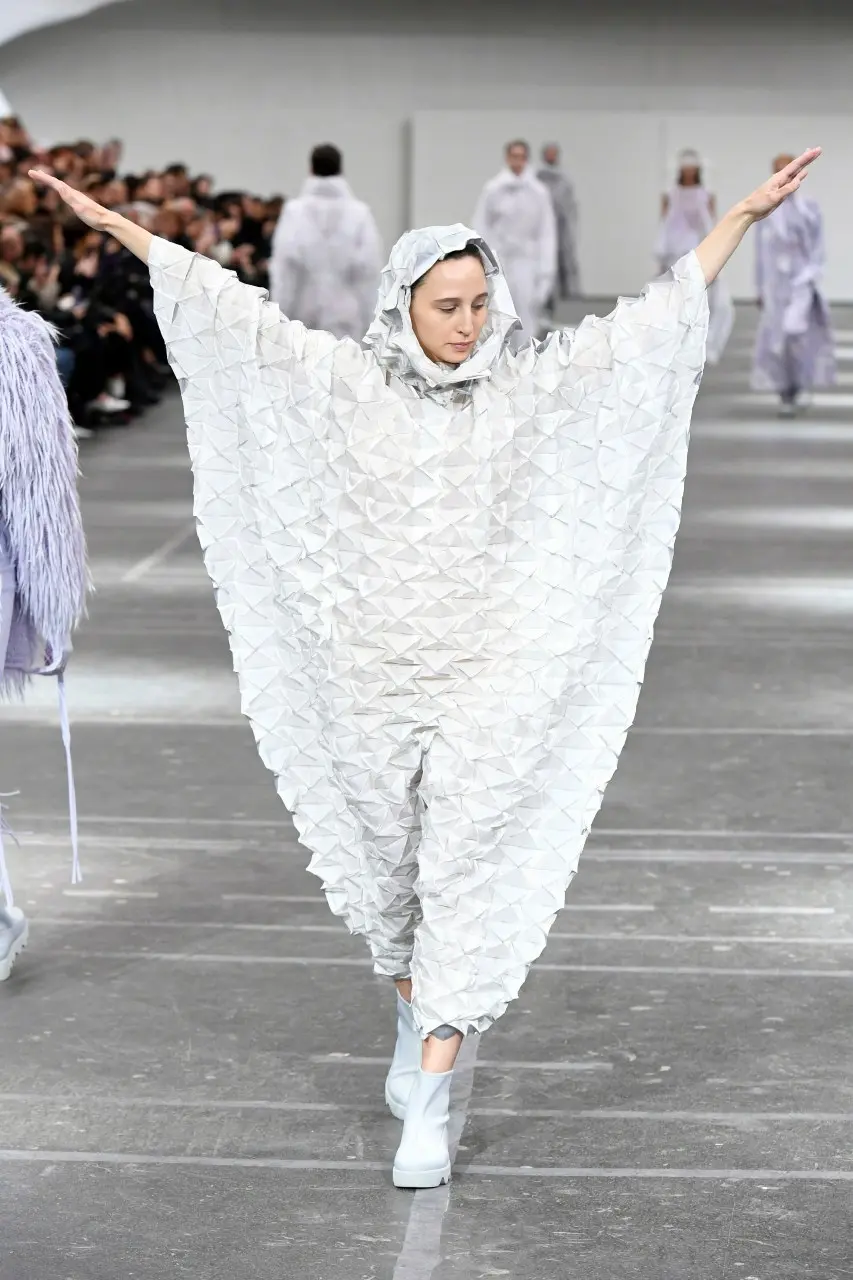
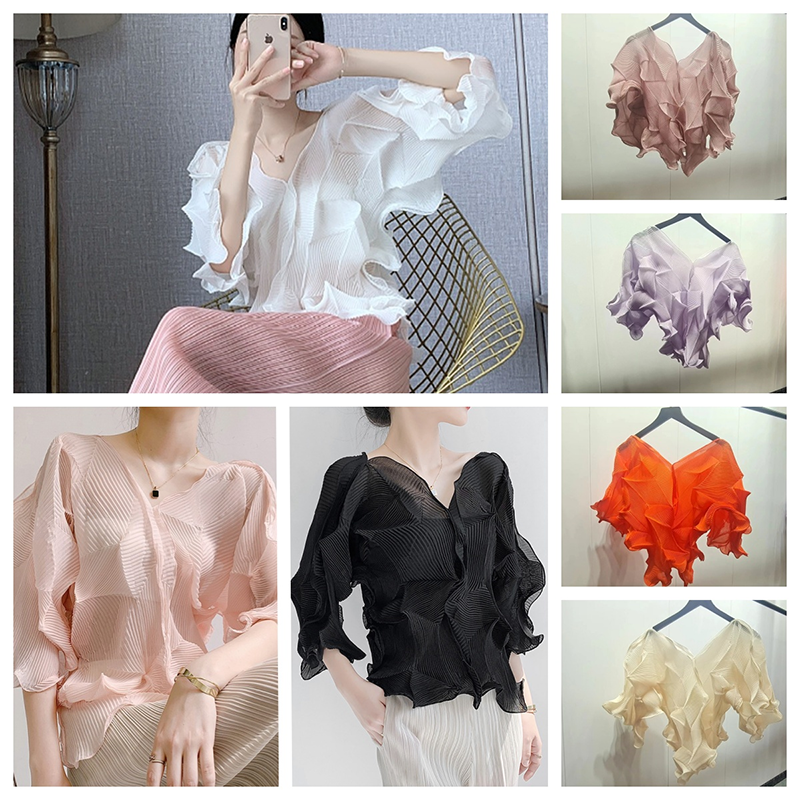
Emphasizing natural texture and artistry, such as the hand-pleated designs of Issey Miyake.
2. Classification by Craftsmanship Method
Handmade Pleats
Such as the fine pressed pleats and crepes commonly seen in high couture.
Industrial Pressed Pleats
Shaping with a pleating machine, suitable for mass production.
Heat-Set Pleats
Using polyester or blended fabrics set by high temperature to maintain a long-lasting pleat shape.
Gathering
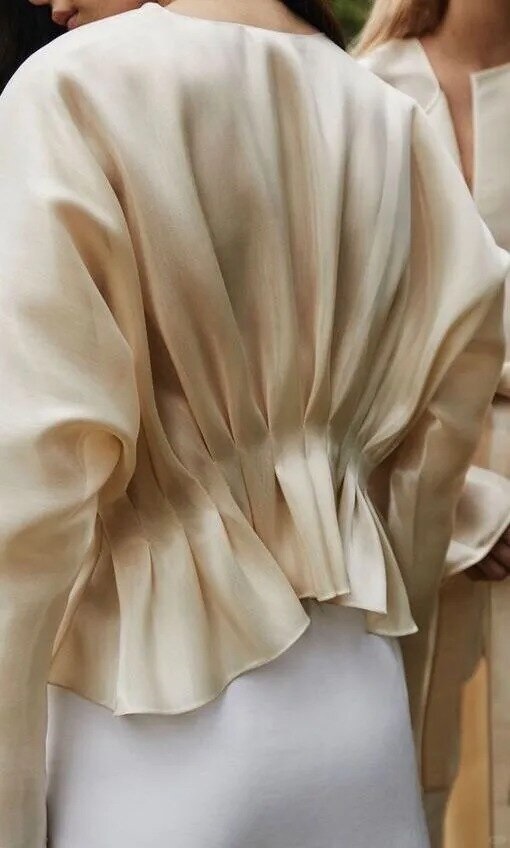
Forming pleats by pulling threads tightly, commonly used at cuffs and waistlines.
Sewn Pleats
Fixing creases with visible stitching, commonly used in structural clothing.