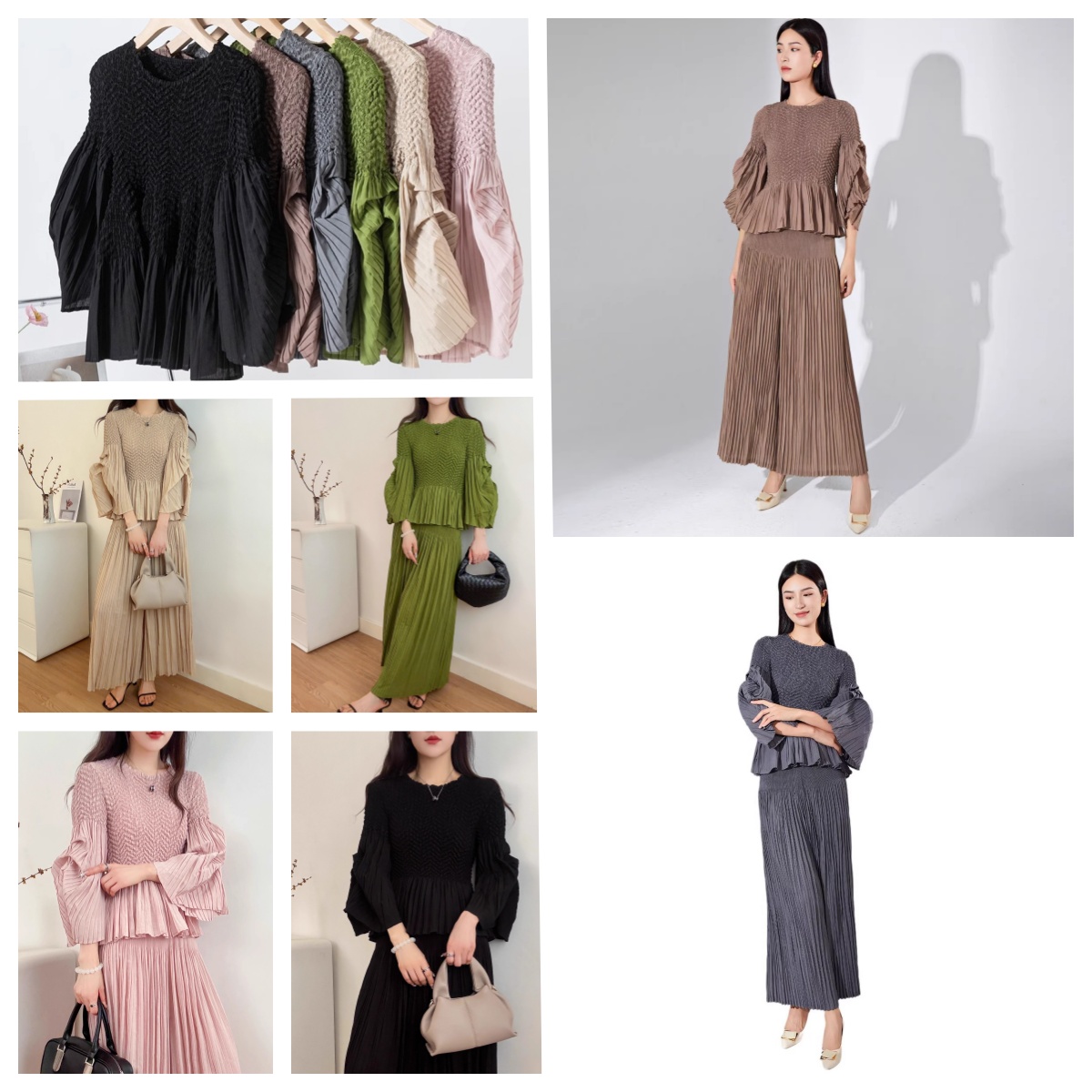
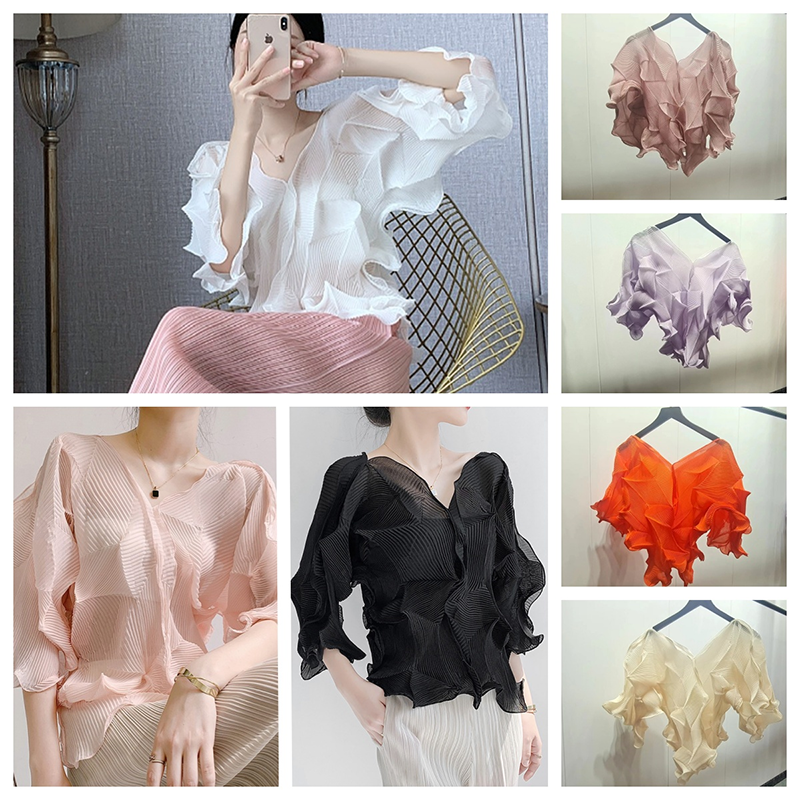
The embryonic form of pleating craftsmanship can be traced back to the utilization of "natural fabric forms" in ancient civilizations.
- Ancient Egypt (3000 BC - 332 BC): The ancient Egyptians used linen as their main fabric. Due to its soft and malleable fibers, the vertical pleats formed by natural draping when worn became a hallmark of their clothing. For example, the linen robes unearthed from the tomb of Tutankhamun, through simple wrapping and tying, allowed the pleats to fit the body while maintaining a flowing sense. They not only adapted to the hot climate but also symbolized "the continuation of life" (the natural properties of linen echoed the ancient Egyptians' belief in immortality).
- Ancient Greece (8th century BC - 146 BC): The ancient Greek "Chiton" and "Himation" pushed the aesthetics of pleats to a peak. By draping rectangular fabrics diagonally over the body, they naturally formed interlaced "waterfall pleats" and "radiating pleats" using gravity and the body's curves. These pleats not only showcased the stretch of the human contour but also embodied the classical aesthetics of "harmony and balance". The ancient Greeks believed that the fluidity of pleats was an externalization of "divinity". For instance, the clothing pleats in the sculpture Discobolus accurately captured the dynamic tension in movement.
- Ancient Rome (509 BC - 4th century AD): While inheriting the pleating techniques of ancient Greece, the Romans paid more attention to practicality. The huge fabric of the "Toga" had fixed pleat positions (such as the "knot pleats" on the shoulders), which not only displayed the citizen's status but also facilitated movement, pushing pleats from "natural forms" to "consciously created shapes".
- Medieval Period (5th - 15th century): Influenced by Christian "asceticism", clothing emphasized solemnity and covering, and pleating craftsmanship turned introverted. The pleats of monks' and nuns' robes were mostly simple straight lines, hiding the body's curves, with only a few pleats at the cuffs and collars to reflect hierarchy (such as the width of the robes' pleats for clergymen symbolizing their status).
- Renaissance to Baroque Period (15th - 18th century): With the popularization of fabrics (such as silk and velvet) and the advancement of tailoring techniques, pleats became a carrier for nobles to show off their wealth and craftsmanship.
- Renaissance: The Spanish "Farthingale" crinoline gave birth to "radiating pleats" — the skirt hem was fixed through multi-layer pleating, forming an umbrella-like silhouette, and the uniformity of the pleats became a sign of exquisite craftsmanship.
- Baroque Period: Exaggerated "bubble pleats" and "spiral pleats" prevailed, such as the chest pleats of men's tight-fitting jackets and the stacked pleats at women's cuffs. The combination of gold thread embroidery and pleats highlighted luxury and dynamism.
- 19th century: The Industrial Revolution Promoted the Standardization of Craftsmanship: The invention of the steam engine made "mechanical pleating" possible. In the 1830s, factories specializing in the production of pleated fabrics emerged in France. Through high-temperature pressing with metal molds, mass replication of pleats was achieved (such as the predecessor of the "pleated skirt"). The "Crinoline" dresses of the Victorian era used machine-pleated cotton linings to make the skirt pleats stiffer and more symmetrical.
After the 20th century, pleating craftsmanship broke through its "decorative attribute" and became a core language for designers to express their ideas. The integration of technology and art gave birth to many milestones:
- 1920s: Cubism and "Asymmetric Pleats": Coco Chanel incorporated straight pleats from men's clothing into women's clothing, while Elsa Schiaparelli used "torn pleats" and "twisted pleats" to echo cubist art, breaking the symmetry of traditional pleats.
- 1950s: A Breakthrough in "Stable Pleat" Technology: In his "New Look" series, Christian Dior created "live pleats" (pleats that can expand with movement) through hand-sewing, making the umbrella skirt both fluffy and flexible, laying the structural logic of modern women's clothing pleats.
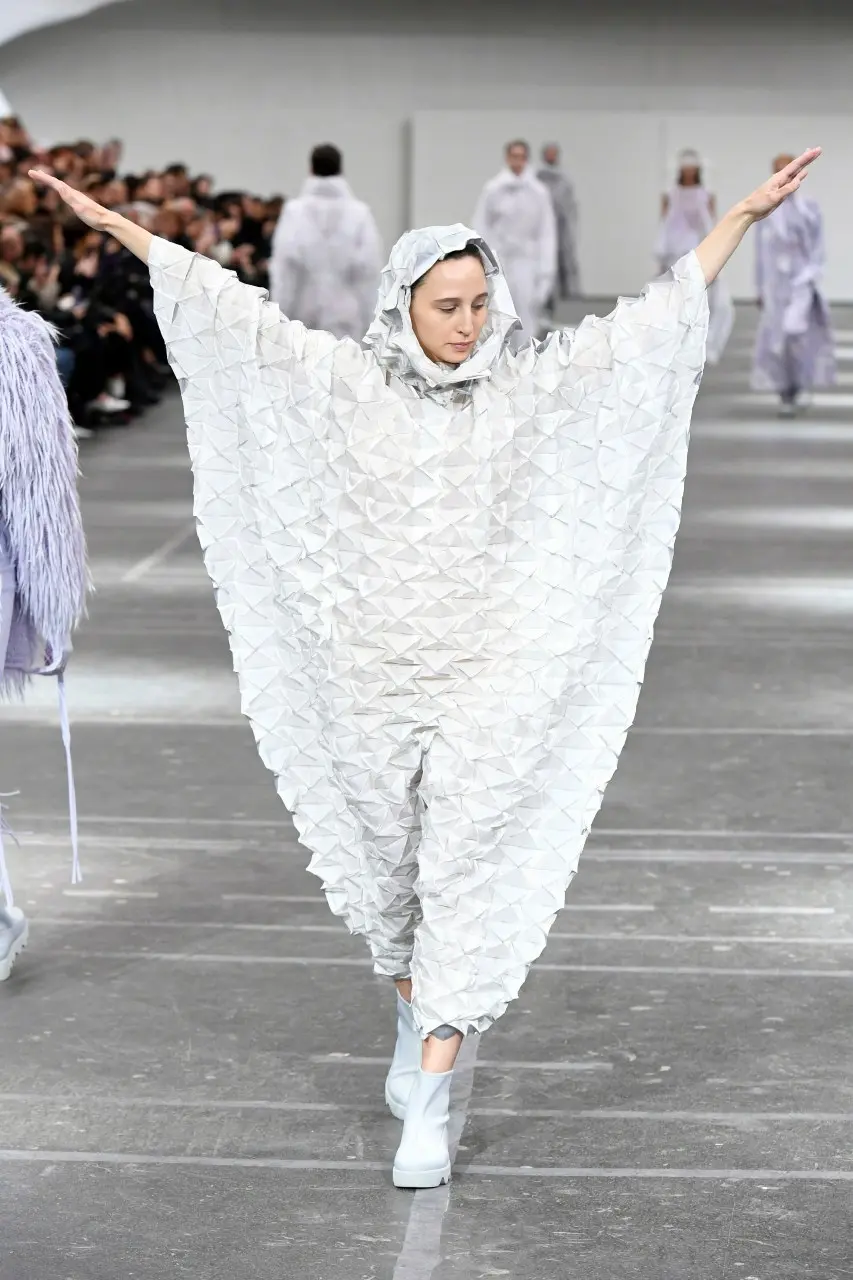
- 1980s: Issey Miyake's "Permanent Pleat" Revolution: Japanese designer Issey Miyake redefined pleats through his "PLEATS PLEASE" series — the fabric is first cut into clothing and then shaped under high temperature (132℃) and high pressure, making the pleats permanent while having elasticity and durability. This "pleating after garment-making" technique turned pleats from "additional decorations" into "the clothing structure itself", adapting to human activities and presenting a sculptural geometric beauty.
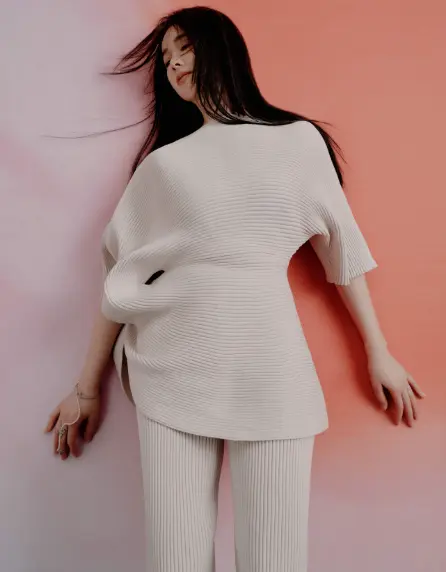
- 21st century: The Combination of Technology and Environmental Protection: With the rise of sustainable concepts, pleating craftsmanship has been applied to "zero-waste design" — forming pleats through natural fabric shrinkage (such as using elastic pleats of knitted fabrics) to reduce cutting waste; at the same time, the application of smart fabrics (such as memory fibers) allows pleats to change shape with temperature and humidity, realizing "one garment, multiple wears" (such as a pleated coat unfolding into a trench coat).
The development history of pleated clothing craftsmanship is a continuous exploration of "the possibilities of fabrics" by humanity: from the "passive pleats" that relied on natural forms in ancient times, to the hierarchical symbols in the Middle Ages, the craftsmanship show-off in modern times, and then to the structural innovation and functional integration in the contemporary era. Pleats are not only the "texture" of clothing but also carry the cultural, technological, and aesthetic pursuits of different eras. Today, they are both practical designs in daily wear and eternal artistic propositions in the fashion world.