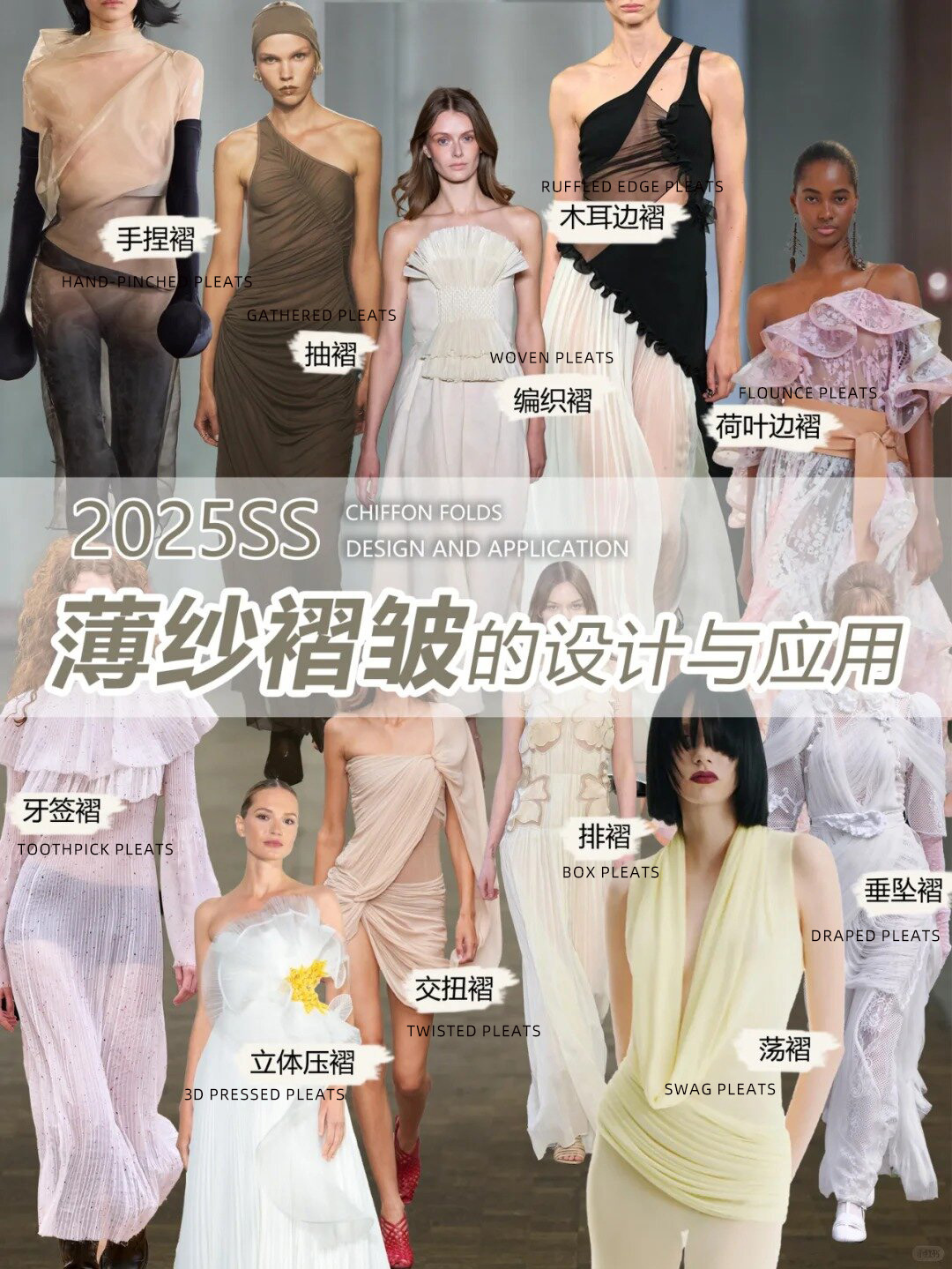



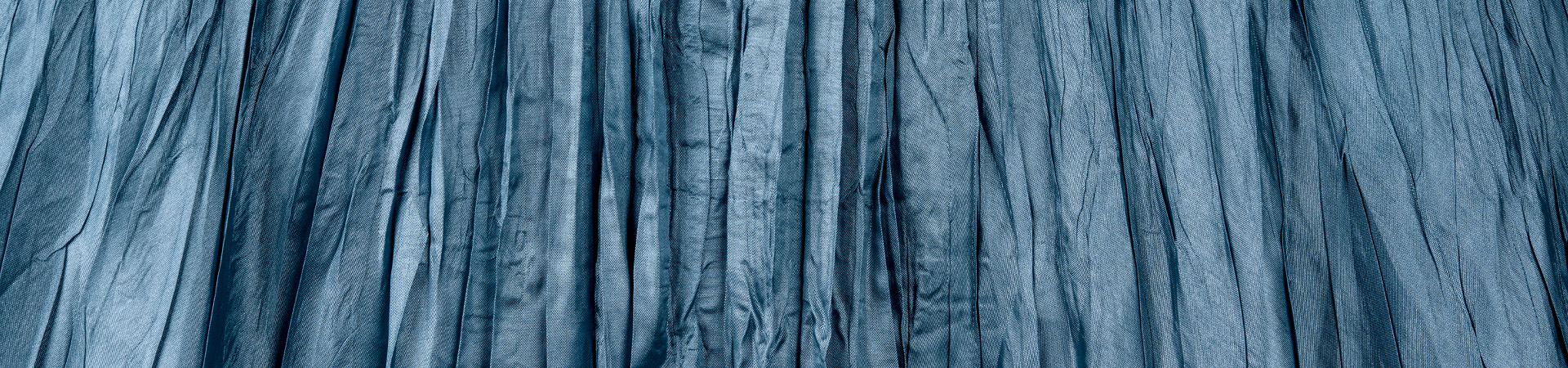
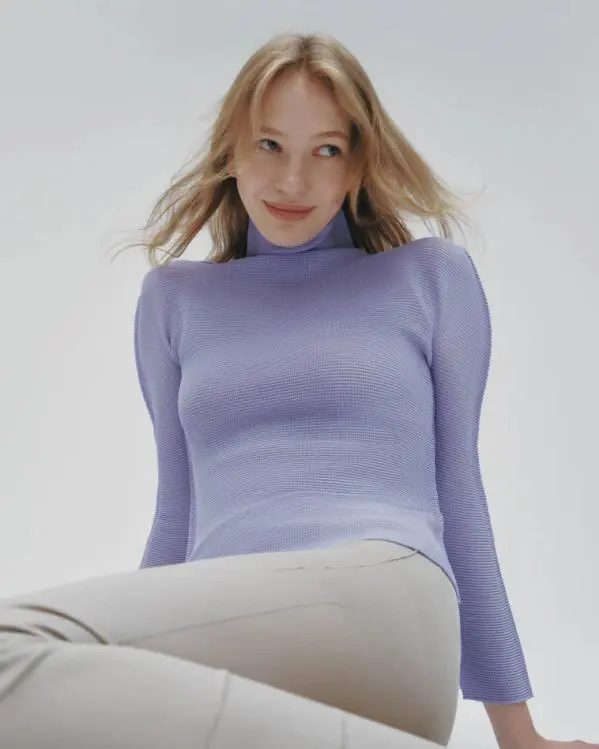
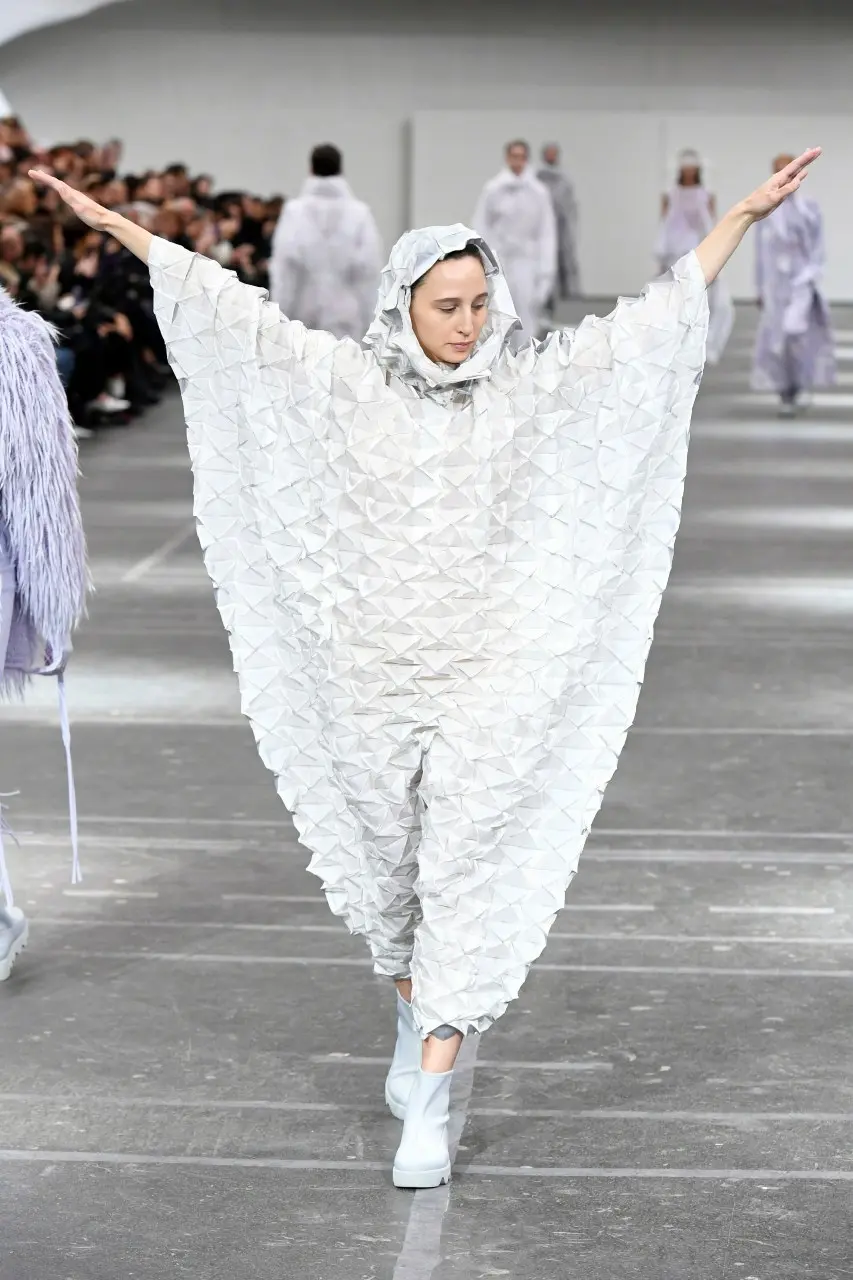
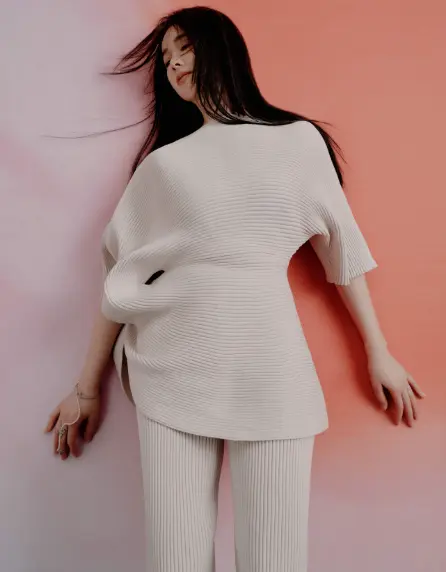
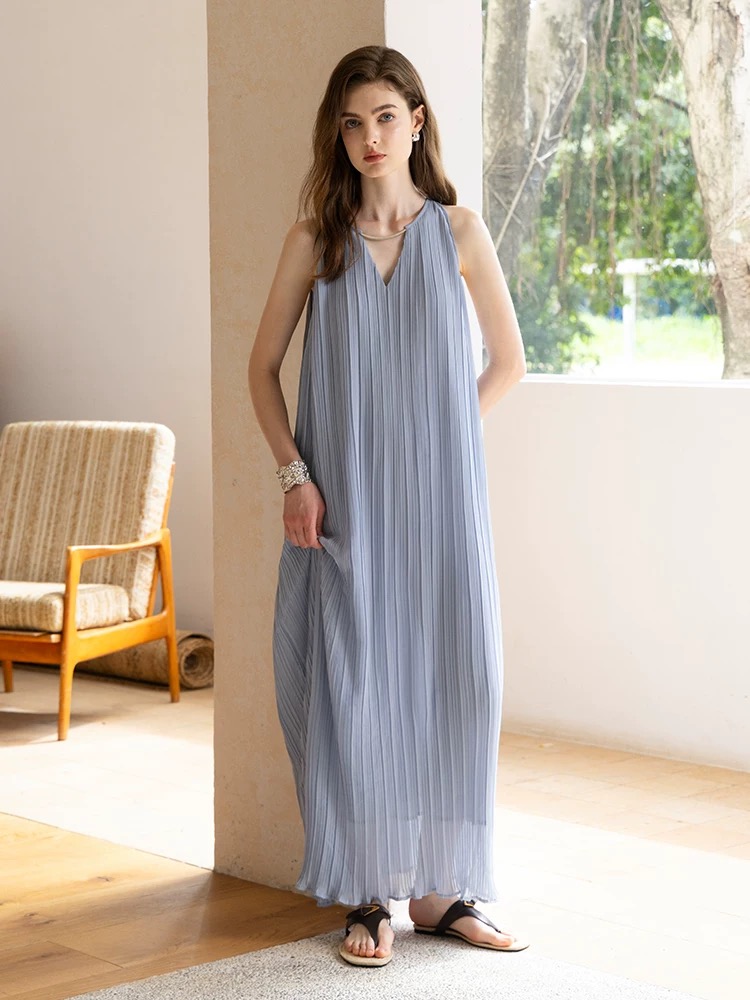
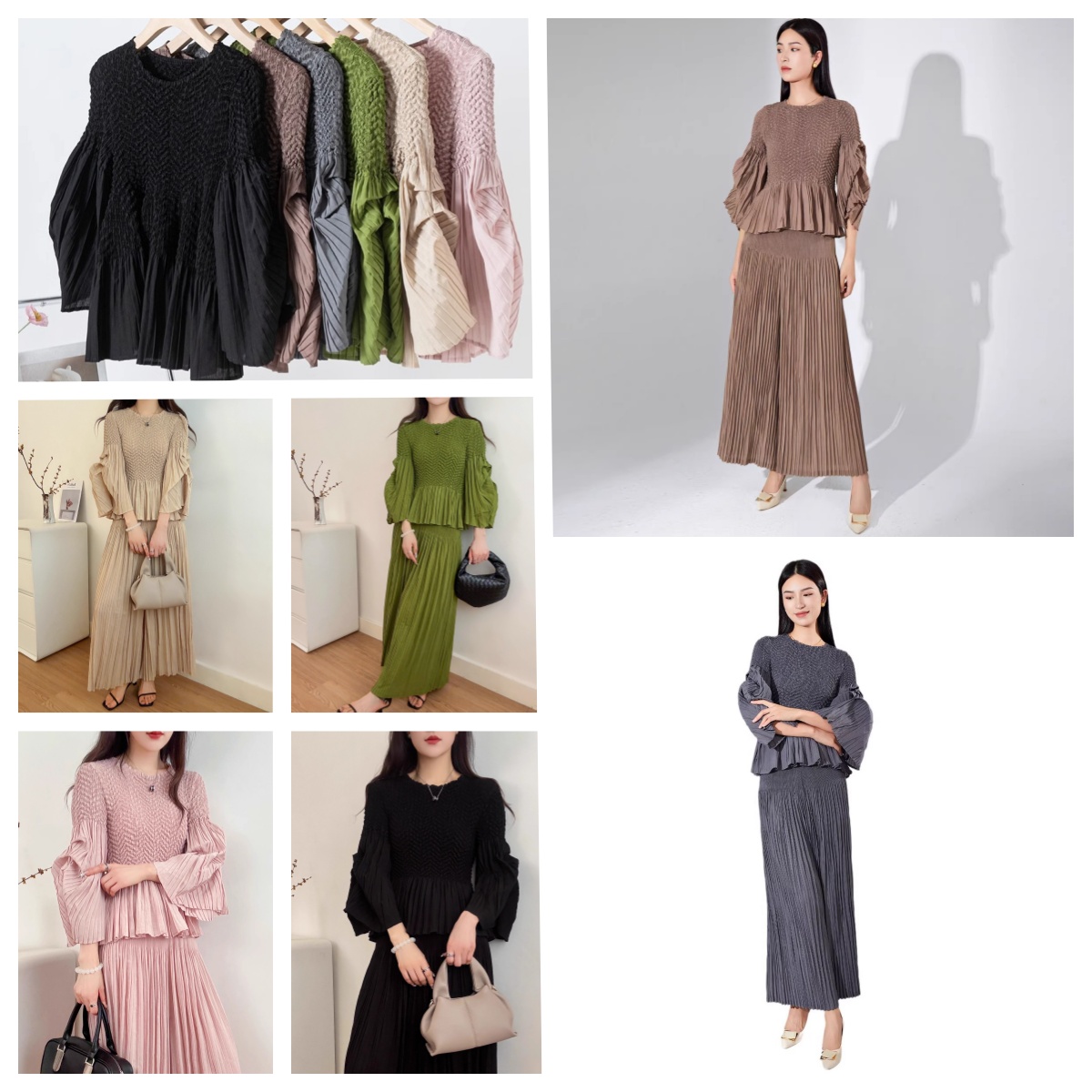
This pleating style is defined by its toothpick-sized pleats that run vertically without slanting left or right. It is also referred to as "small 3D pleats."
In the 2025 fashion design trends, fluid lines and exquisite tailoring come together to create diverse pleating techniques, skillfully integrated 💫 into sheer fabrics, endowing garments with a unique artistic sensibility.
♠️ 1.1 Knife Pleats
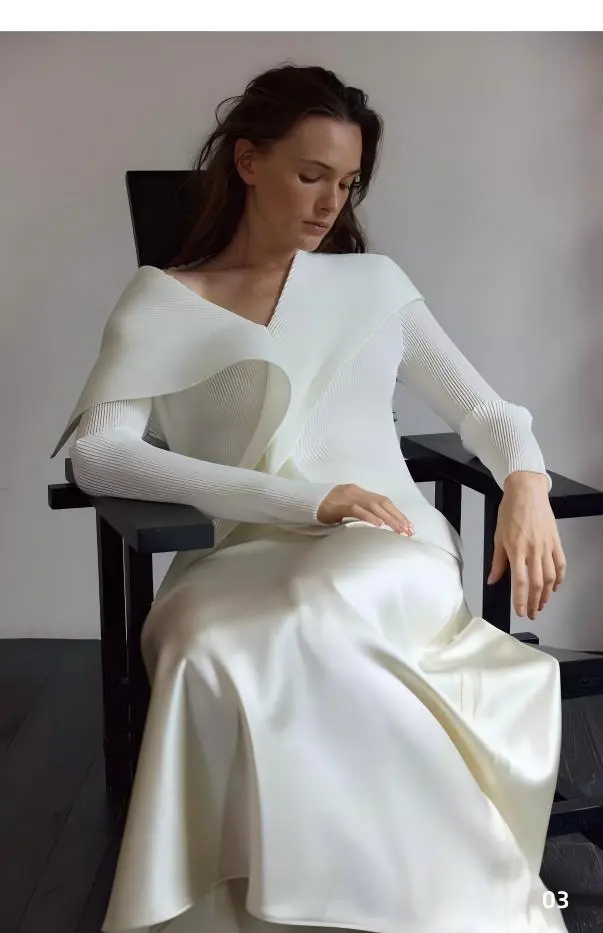
A common form of pressed pleats, knife pleats are repetitive and regular in pattern. Due to their simple processing, they are widely used. Their visual effect is orderly and neat, giving garments a sense of structure.
♠️ 1.2 Toothpick Pleats
A common pleating technique characterized by pleats similar in size to toothpicks, with no distinct directionality, also known as micro 3D pleats. 💕
♠️ 1.3 3D Pleating
The difference between 3D pleating and standard pressed pleats lies in their visual effect. 3D pleating emphasizes the three-dimensionality and spatial sense of the pleats, making them more prominent and distinct. Standard pressed pleats focus more on regularity and flat effects, 🌹 with gentler, flatter folds.
♠️ 2.1 Flounce Pleats
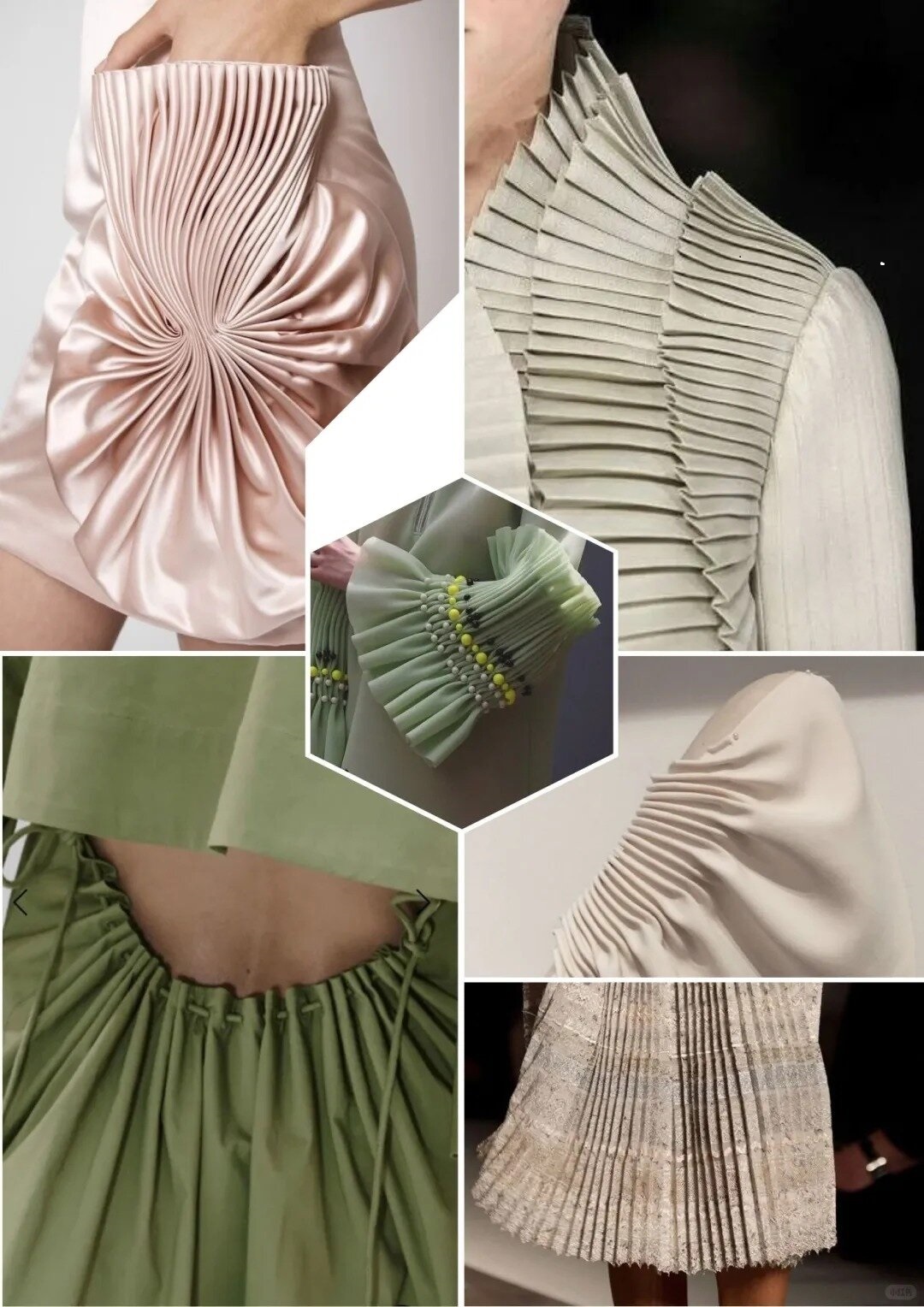
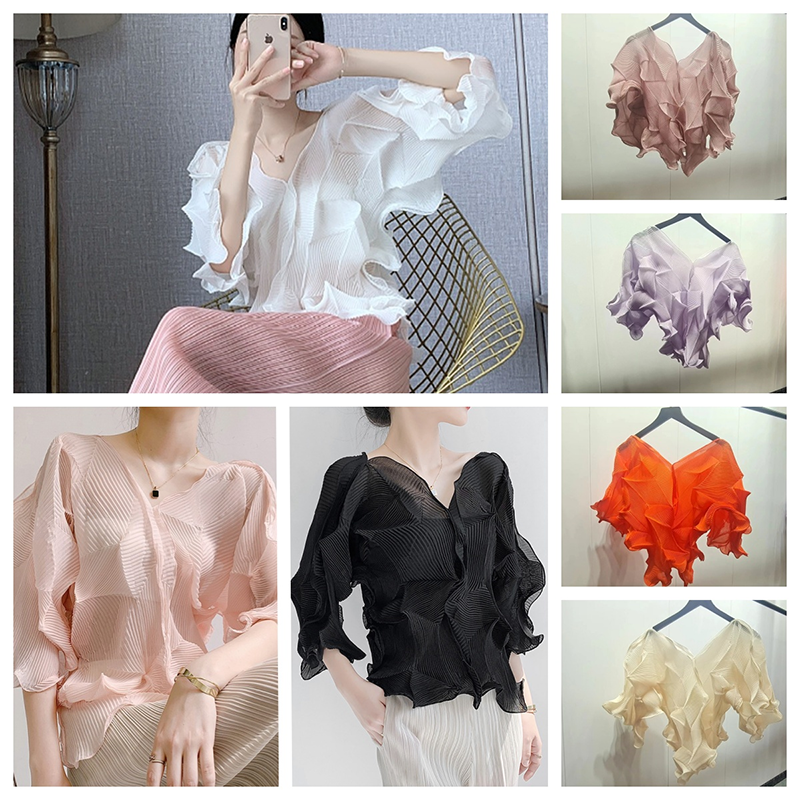
Also known as ruffles, their outline resembles lotus leaves, creating a wavy decorative effect along garment edges. They are generally delicately and exquisitely adorned at necklines, cuffs, or hemlines. 🌈
♠️ 2.2 Ruffle Pleats
Their shape resembles that of wood ear mushrooms, often simply referred to as ruffles. Compared to flounce pleats, ruffle pleats are denser, more playful, petite, and irregular.
♠️ 3.1 Draped Folds
Folds formed by the draping of fabric, naturally hanging downward from the stress points on the body. They create curved pleats of varying density, characterized by undulating waves, natural fall, and soft, elegant lines. 🎀
♠️ 3.2 Cowl Folds
A special form of gathered folds. Typically formed at the neckline, waist, or other areas, creating U-shaped curves or curved pleats of varying density. They possess an irregular symmetrical beauty.
♠️ 4.1 Twisted Pleats
Sheer fabric is swirled around a fixed center point once or multiple times, forming natural pleated textures.
♠️ 4.2 Braided Pleats
This technique generally involves interweaving wider or narrower strips of fabric, borrowing methods from rope tying, to form three-dimensional knot-like decorative shapes. 💕 These are often used on the bust, waist, back, and other areas.
♠️ 5. Gathers
Pleating initiated from points or lines, where fabric is gathered or drawn tight to form natural, abundant, radially textured folds.
♠️ 6. Hand-Pleated Folds
Designers create pleats through manual draping and pinning techniques, forming unique personal styles. This makes the garments particularly distinctive and individual, generally appealing to a niche market.